Ice fishing for crappie doesn’t have to be complicated. With a little research and some dedication, even beginners can start putting fish on the ice with ease. The key? Be strategic about where you fish, how (and when) you fish, and what presentations you bring along. Simply put – have a plan before you even set foot on the hardwater.
When you’re perfecting a hobby that can get pretty complex, sometimes simplicity is exactly what you need. These are the strategies I come back to year after year, and they work whether you’re brand new to ice fishing or just looking to put a few more slabs on the ice this season.
Before You Hit the Ice
When it comes to crappie fishing, gear matters. In many cases, the lighter the better. Unless you really have a spot dialed in, you are going to need to stay mobile. You need light gear, light lines, and light rods. It makes all the difference.
If you’re restocking your tackle box, I’ve got a couple codes that’ll save you some cash: NICOLE15 at Lurenet.com for jigs and plastics, and NICOLE20 at Piscifun.com for reels. Of course, women looking for ice gear can use code NICOLE to get 15% off at dsgouterwear.com Some of my favorites are mentioned below.
Recommended Gear:
- Light or ultra-light rod (I love the St. Croix Panfish Series Pan Dancer)
- 6 lb monofilament line (or a 6 lb braid with/fluoro leader)
- Piscifun Viper X 500 (code nicole20 at checkout)
- Miniature barrel swivels to eliminate line twists
- Mo Glo Jig and Bobby Garland Mini Mayfly– two of my go-to crappie producers
- Crappie minnows and/or wax worms (never a bad idea to have some livebait on hand)
- Your usual ice fishing essentials: auger, flasher, shelter, etc. – but if possible, keep packing light when tackling a new spot.
1) Finding the Right Lakes is KEY to Catching More Crappie Ice Fishing
My first tip is to be selective, and that means doing your research. If you’re just starting out or want to guarantee yourself at least a shot at marking crappie, you need to plan wisely. Many big bodies of water hold impressive fish, but they can also be the toughest to break down, especially for beginners. That’s why targeting smaller lakes with one large basin can be a game-changer.
The good news? You can identify these spots before ever stepping foot outside. The internet provides a wealth of information from the comfort of your own home, including Google Maps, survey and stocking reports, OnX Fish, Navionics or LakeMaster mapping, Facebook forums, and more. All it takes is a little research from your keyboard.
Use Google Maps to narrow down your options. Look for small lakes in the areas you want to fish. Some resources, like Minnesota LakeFinder are free, have contours built right into the mapping, helping you find small but deep lakes that often hold healthy crappie populations.
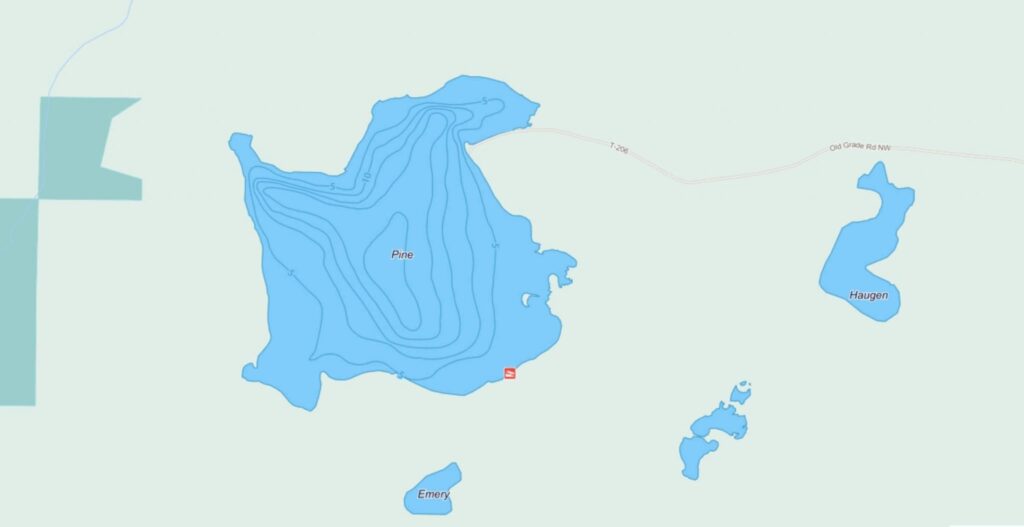
Look for lakes with minimal structure. Identify smaller bodies of water with a single basin or 1 or 2 deep areas. With limited space and structure, there are only so many places fish can hide, which makes locating them much easier, and a good place to start.
Check the reports. Your next step is confirming which species are actually in the lake. Although many small lakes hold crappie, plenty don’t. You can verify this through survey reports (even older ones work), stocking reports, or forum searches. Minnesota makes this easy with LakeFinder (and it’s free), which include the latest survey reports. Many states offer something similar. If you don’t mind paying a monthly subscription, OnX Fish has it as well.
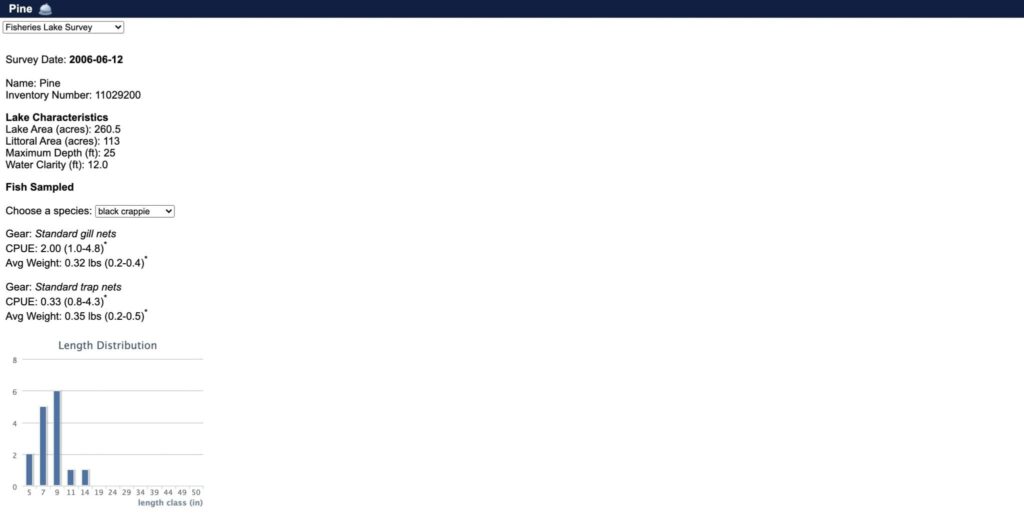
Take notes on access. Pay attention to location, directions, and how to get there. Some lakes have public access, some are walk-in only, and some are private. Do this research before you drive out to a lake you can’t actually reach.
In short, find and use survey reports, stocking reports, and maps before you go. This lets you focus on small bodies of water with a confirmed crappie population worth targeting. A quick Google search can tell you everything you need to know.
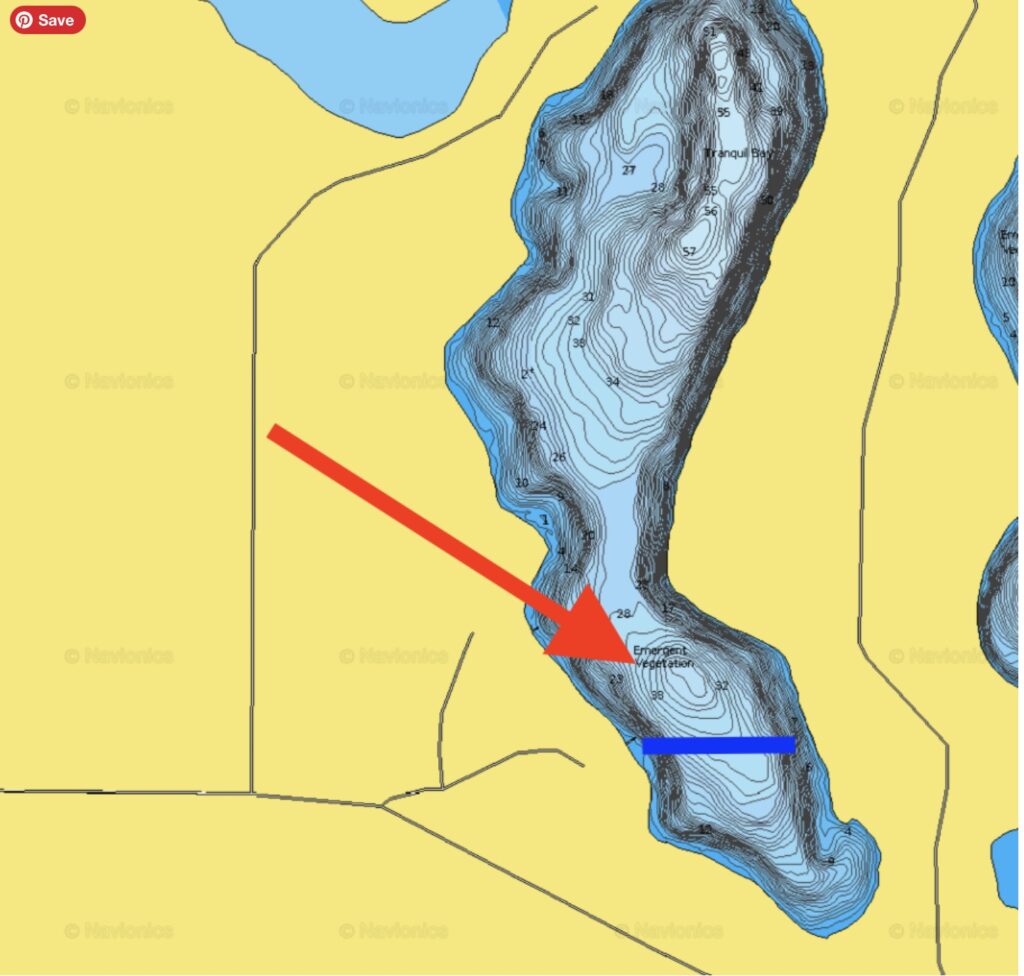
2. Evaluate the Conditions: Basin or Weedline for Crappie?
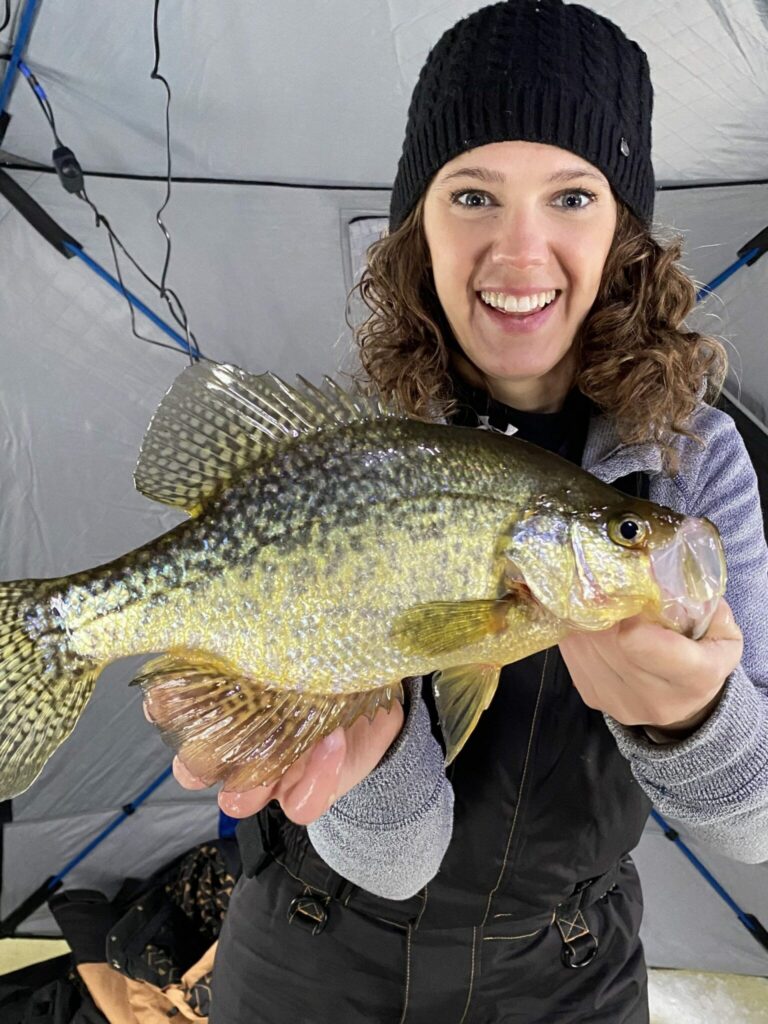
Once you’re on the water, evaluate what you’re working with.
Check the weeds first. Are the weeds dead and lying on the bottom? If so, crappie probably aren’t spending time there. By midwinter, crappie will often abandon the shoreline for their favorite place in the basin.
Therefore, head for the basin instead. This is especially the case as the sun starts to set. Fish will be deep feeding on zooplankton.
During both the heart of summer and winter, fish tend to hang in the deepest water. Small bodies of water make this evaluation much simpler since there are fewer variables to consider.
I always tell people: let the conditions guide you. Don’t force a spot just because it worked last week. Crappie move, and you need to be willing to move with them.
3) Drill Holes and Cover Ground
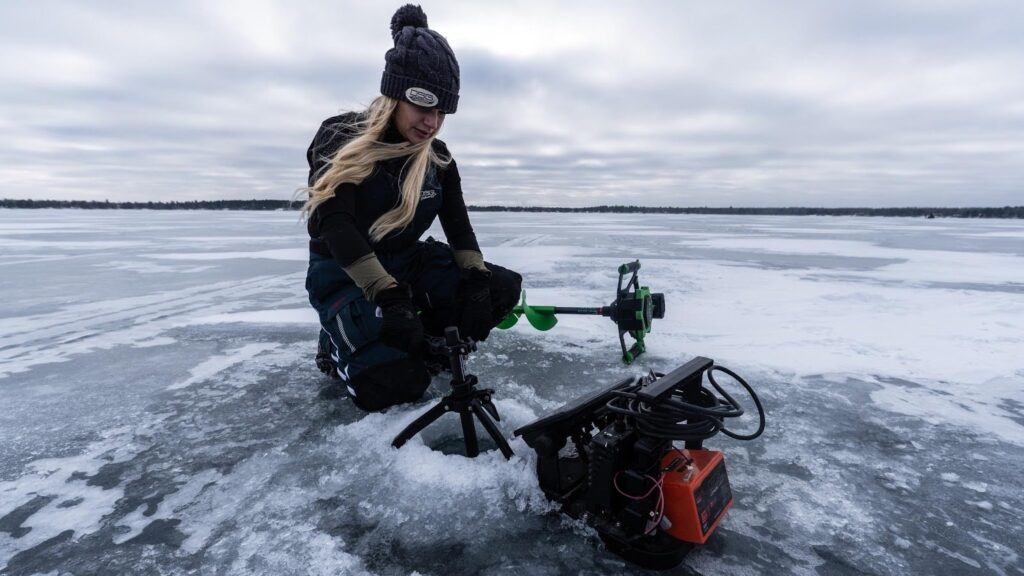
When the weeds are gone, it’s time to put in the work. I’ll often drill a large “X” pattern across the basin, covering both the ridges and the center. Yes, it’s a workout, but that’s part of it.
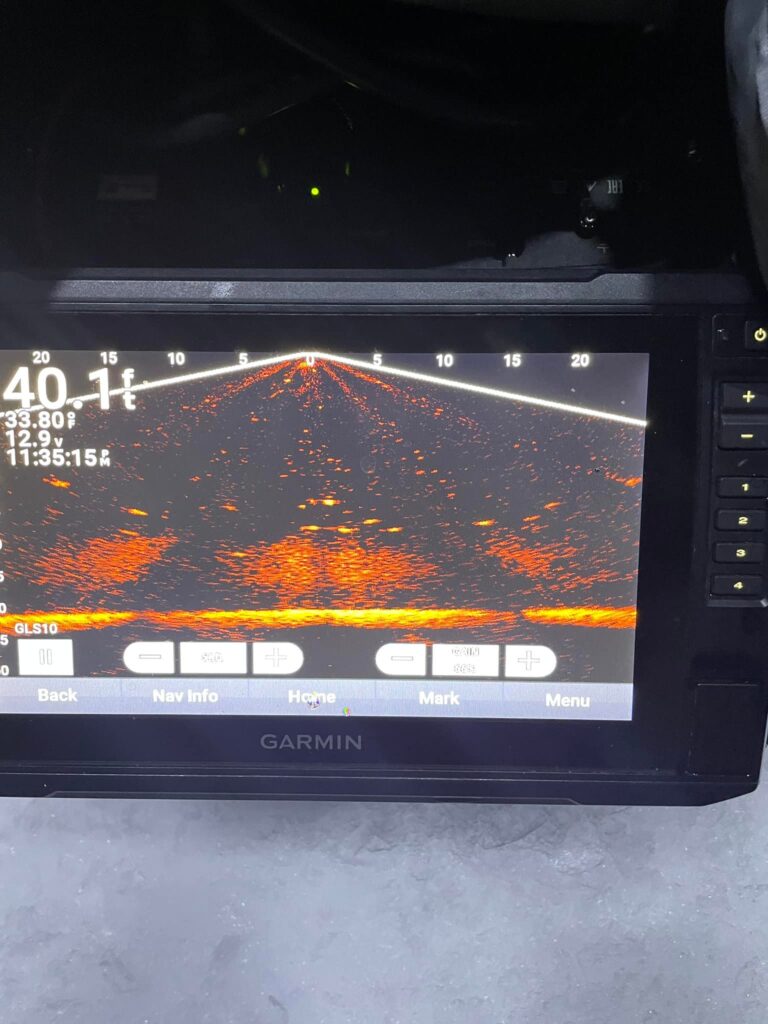
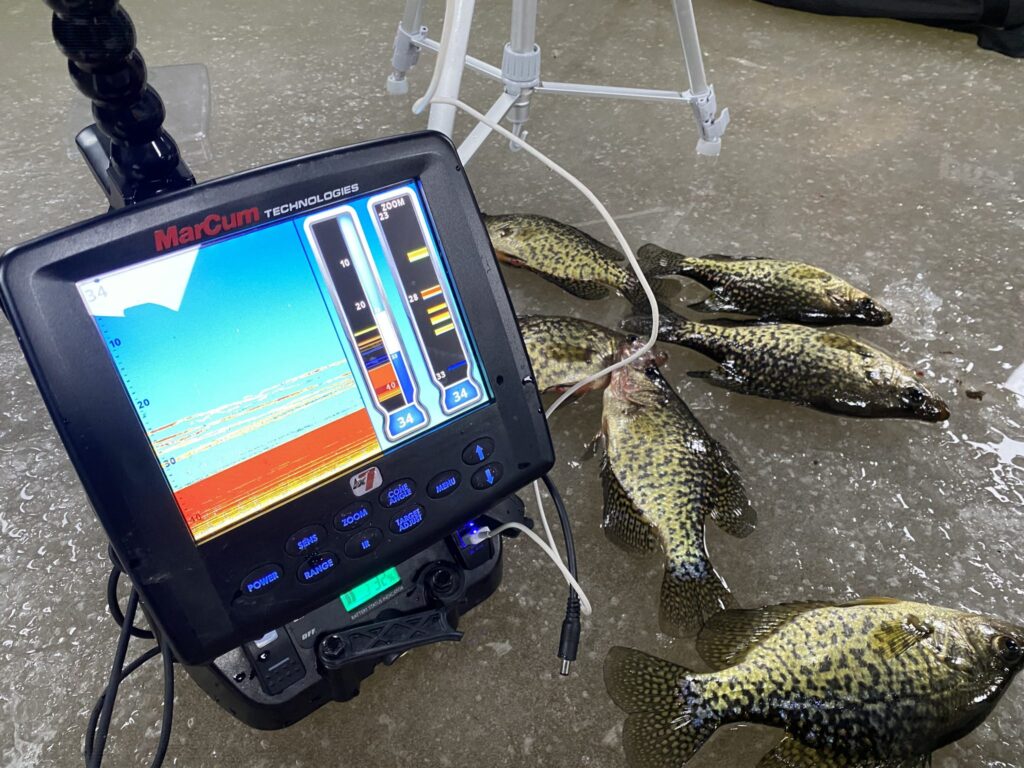
Then dig out the flashers (or even better yet – Livescope if you have it). Look for suspended marks. Crappie are pretty easy to identify, especially in the deepest parts of the lake. They typically show up in groups and suspend off the bottom.
If you’re struggling to find them: Look for a point leading into the basin and drill between the two areas. You can often catch them migrating.
Work each hole and search for fish. When you see signs of life, drop your line down quickly. If it’s crappie, you might hook up right away. There’s nothing quite like that first mark turning into a fish on the line.
4) Dial In Your Presentation
When it comes to the heart of ice fishing, I always say the smaller the presentation the better. The temperatures are cold, the water column is usually dark from thick ice and deep snow. This usually leads to slower-moving fish and more finesse fishing. I match my presentation to these conditions. There are endless crappie jig options out there, but I pay attention to three things:
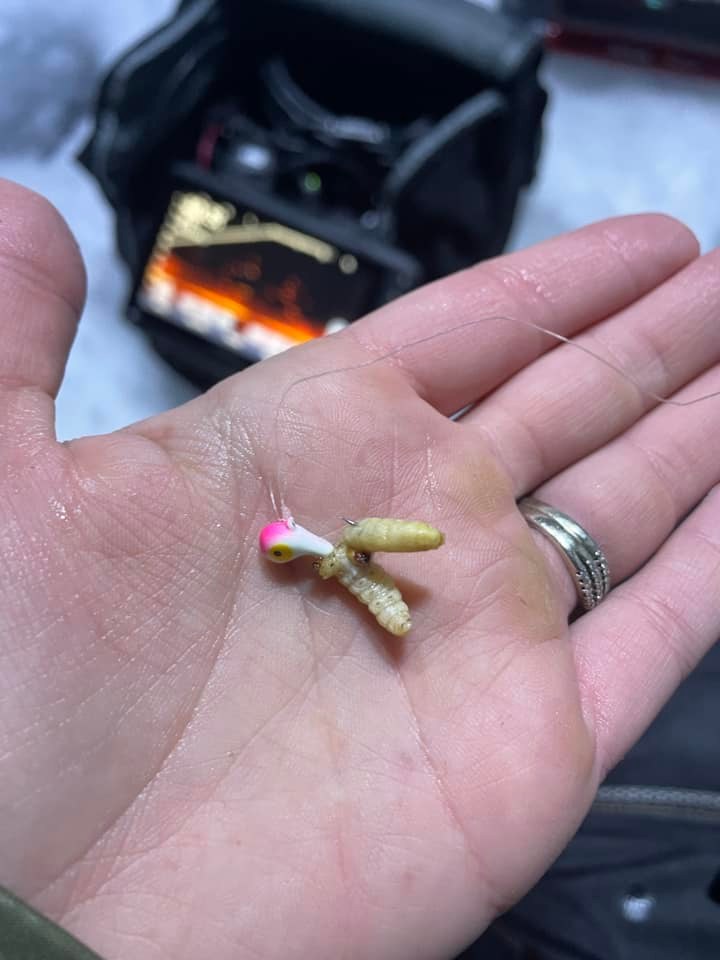
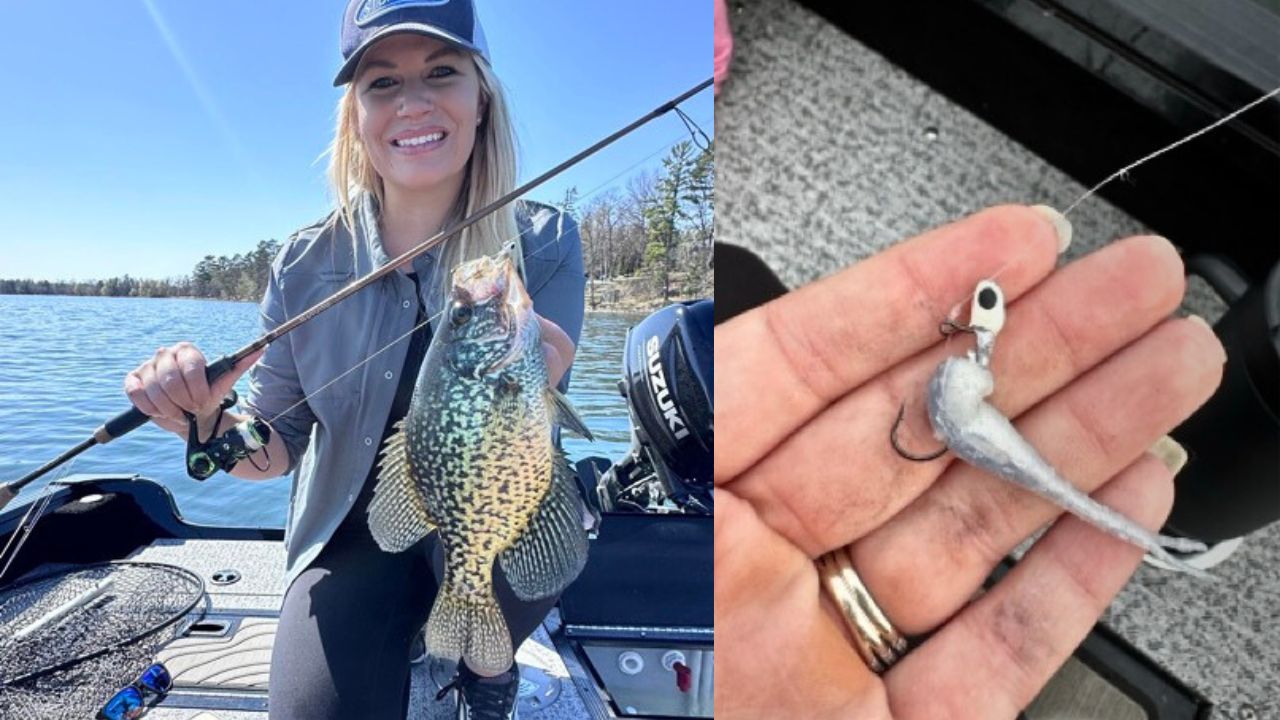
Fall rate – Tungsten has its place, but it isn’t always the answer. Sometimes, a slower fall with lead turns over more fish. Pay attention to what the crappie are responding to and adjust accordingly. If the slow fall instigates some competition over slow moving crappie, use it. If you have more aggressive fish? Then dig out the tungsten. My favorite slow raise falling jig is the Crappie Mo Glo Jig (nicole15) and my favorite tungsten is the Lindy Tungsten Toad (nicole15) because it has a wide gap hook for even better hookups.
Horizontal presentation – Whether you’re using a minnow body or plastic, you want the jig to lay horizontal. This replicates a real minnow and creates a more realistic look during a slow raise.
Size Down – If fish are exceptionally aggressive, then size up and target the bigger fish. HOWEVER, if fishing is tough, you are new to fishing, or simply targeting fish in the heart of winter, I suggest going the otherway.. and size down. A small tungsten can go a long ways during a tough bite, simply because you can size wayyy down while keep some weight on the lure to fall through the column.
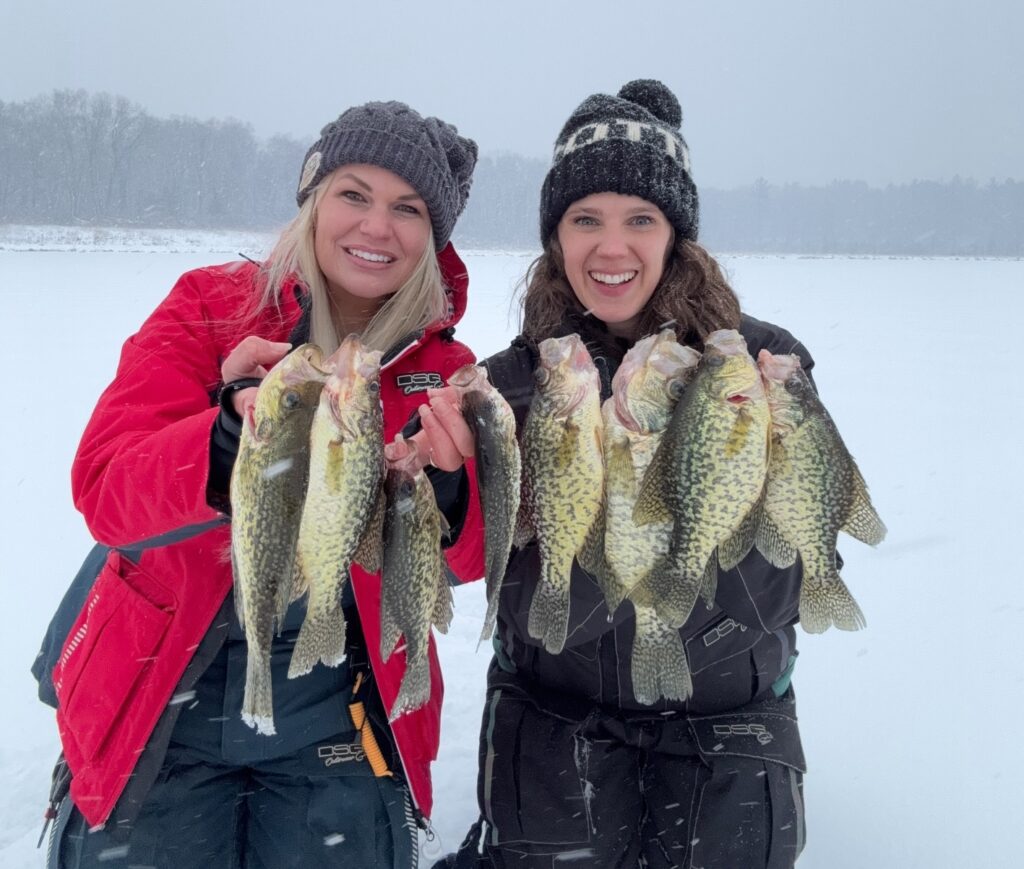
The jig that produced our 15″ and 16″ crappie last trip? The Crappie Pro Mo Glo. The horizontal presentation is perfect for working fish upward with a slow raise. It’s also lead, so that slow fall is incredibly enticing for the bigger fish often found at the top of the school.
5) Master the Slow Raise
Most of the time, ice fishing crappie calls for finesse. Forget the jerky shake you might use for walleye. Instead, work a slow and steady raise from bottom to top.
Take your time. That consistent, patient movement can make all the difference when it comes to turning lookers into biters. I can’t tell you how many times I’ve watched a fish follow my jig up on the flasher only to commit at the last second because I stayed patient.
It’s not always easy—especially when you see that mark and want to set the hook immediately—but discipline pays off.
Final Tips to Catch More Crappie Ice Fishing
The more time you spend on the water, the better you’ll get. Start with lakes you can manage, do a little research beforehand, stay consistent, and you’ll be catching more crappie in no time.
Ice fishing is one of those things where every trip teaches you something new. Some days the fish cooperate, some days they don’t. But if you stick with these strategies, you’ll stack the odds in your favor more often than not.
Now get out there and put some slabs on the ice.
This post may contain affiliate links, meaning products I recommend at a discount may result in a small commission to help support this site. I personally use everything I recommend.